The Collective exists because Travis hit the same wall his clients hit. After three decades leading product and technology — from Microsoft's enterprise platforms, to running 800+ engineers with a $300M budget at Nordstrom, to five years leading product and technology for Virtuoso's $28B luxury-travel network, to co-founding Mindbloom (raised $160M+, acquired) — he started building with AI agents and discovered what every founder discovers: the agents are brilliant and unaccountable. Context evaporates. Coordination fails. "Done" means nothing.
So he spent a year building the governance to fix it — an evidence chain, a delivery loop, structural safety enforcement — and then did the only honest test: used it to deliver real products for real paying clients. Twenty deals and a dozen delivered milestones later, that system and that method are the practice.
The bet is simple: the traditional engineering team is now optional, but executive judgment is not. The Collective packages three decades of that judgment with an AI delivery system that makes it enforceable, auditable, and — increasingly — teachable to operators who deliver at founder quality.
Travis has delivered in radiology, luxury travel, health inference, M&A, property management, and equine care — most of them domains he knew nothing about on day one. That's the point. The method is the constant; the domain is the variable.
And the part that doesn't fit the usual founder story: most of what became the method wasn't invented — it was learned. Watching clients — a radiologist, a nurse, an insurance agency owner — build things with AI that experts said needed teams and years. Their builds needed judgment to become real; their courage taught the rest. The method exists to make that judgment repeatable.
Engagement 000 is us. Before selling the method to anyone else, we ran it on ourselves — same gates, same evidence chain, same honest verdicts, with our own company as the client. One ruling from that engagement is permanent: no platform software gets built until a design partner signs at real money. The practice funds the proof; the proof earns the platform. We hold ourselves to the sequence we sell.

And the part that isn't a business claim at all: Travis and his wife Melissa run this practice from an RV, traveling North America. That's not a lifestyle brag — it's the working proof of the bet underneath everything here: that senior-level delivery and a deliberately designed life are not mutually exclusive when the system, not the founder's calendar, carries the discipline.
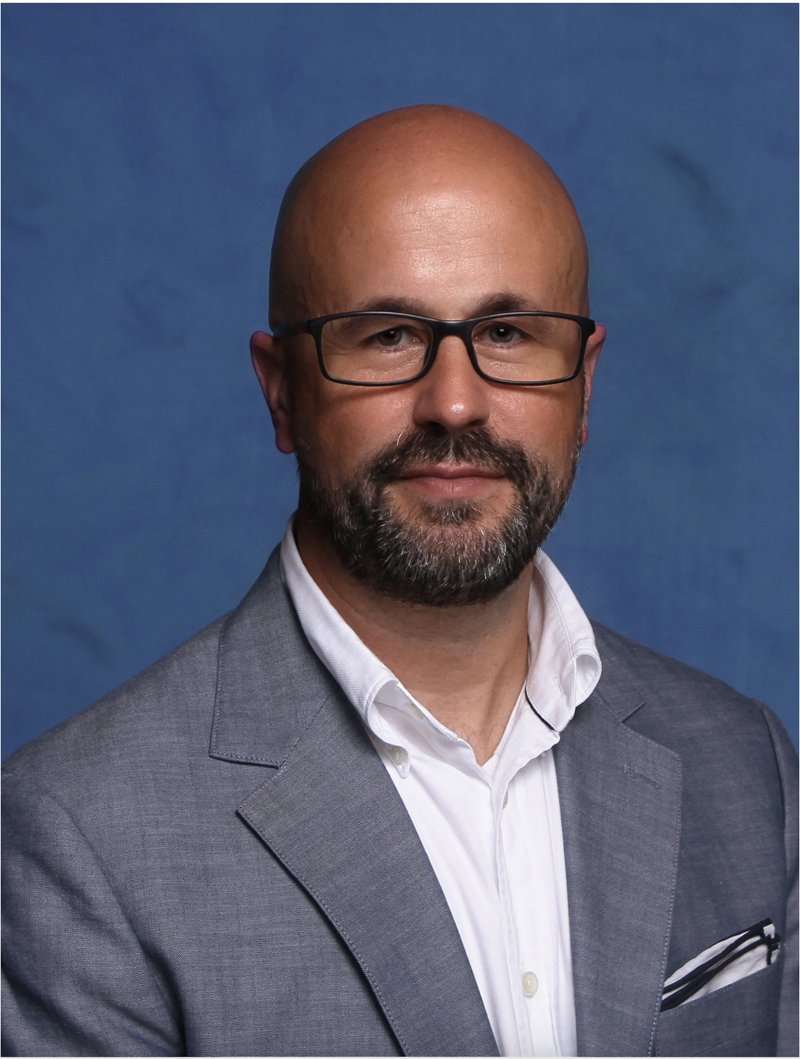
Travis McElfresh
Founder & CEO, ProductLove, Inc.
Operator, The Collective
- ExperienceThree decades · 8 industries · 20 startups (self-reported; public-record subset checkable)
- Patents3 US patents in digital health
- Scale800+ engineers · $300M budget
- ExitsCo-founded Mindbloom — $160M+ raised, acquired by Welltok (later Virgin Pulse)
- UptimePlatform reliability taken 99% → 99.99% at Nordstrom scale
- Nordstrom SVP, Technology. Led 800+ engineers with a $300M budget; improved platform uptime from 99% to 99.99%.
- Virtuoso SVP, Technology & Digital Product. Five years leading technology and digital product for the $28B luxury travel network.
- Microsoft Xbox and MSNBC.com. Shipped consumer products at global scale.
- Mindbloom Co-founder. Digital wellness platform; acquired by Welltok (later Virgin Pulse). Three US patents in digital health product design.
- The Collective Founder & CEO, ProductLove, Inc. A governed AI delivery practice: twenty deals across the client book, seven operators shipping inside the system, and a methodology built to outlive its founder's calendar.